Fall is one of the most important times of year for homeowners in Montreal. Before temperatures drop, snow arrives and freeze-thaw cycles begin, your home needs to be ready for several months of cold weather.
Some fall maintenance tasks are simple, such as disconnecting the garden hose or cleaning leaves from your gutters. Others, including inspecting the roof, servicing the heating system and protecting vulnerable plumbing, can help prevent expensive problems during the winter.
For Montreal homeowners, fall maintenance is not simply about keeping a property looking good. It is about protecting the building envelope, preventing water infiltration, reducing heat loss and identifying problems while they are still relatively easy to address.
This fall home maintenance checklist covers the most important tasks to complete before winter, along with practical advice for homeowners, common mistakes to avoid and considerations for different types of Montreal properties.
Why Fall Maintenance Matters in Montreal
Montreal's climate can be particularly hard on residential properties. Cold temperatures, snow, ice, freezing rain and repeated freeze-thaw cycles can put significant stress on roofs, foundations, masonry, windows, exterior stairs and plumbing.
A small problem in October can become a major repair in January.
For example, a partially blocked gutter may not seem particularly serious in the fall. However, poor drainage can contribute to water infiltration, ice accumulation and damage to exterior surfaces once temperatures fall below freezing.
Similarly, a small gap around a window may allow only a modest amount of cold air into the house during October. By January, that same air leak can contribute to uncomfortable rooms, condensation and increased heating costs.
The goal of fall maintenance is therefore straightforward: find problems before winter makes them more difficult and expensive to fix.
If you are preparing a property for sale, this is particularly important. Buyers often pay close attention to visible signs of deferred maintenance during an inspection.
Montreal Fall Home Maintenance Checklist
Use the following checklist as a starting point. The exact maintenance requirements will depend on the age, construction and condition of your property.
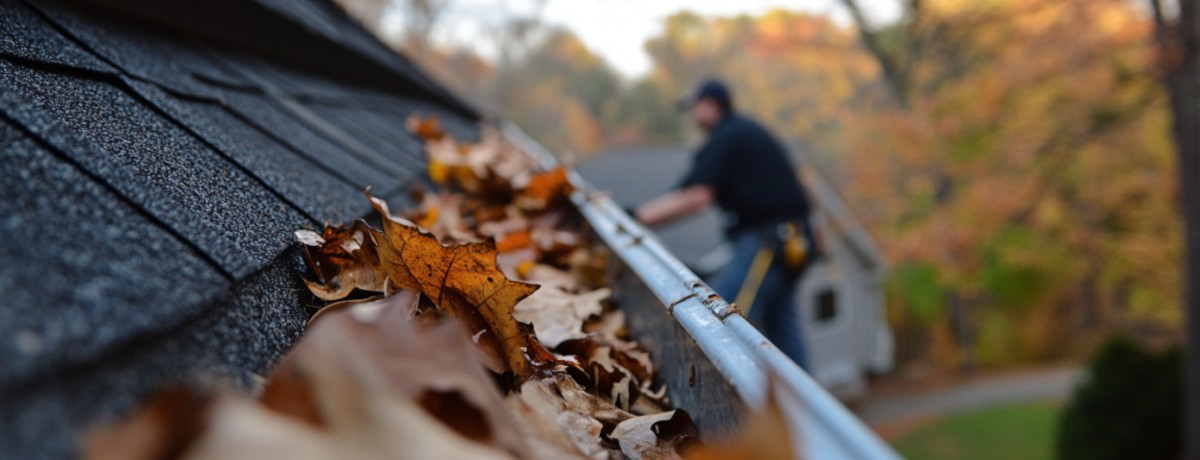
1. Clean and Inspect the Gutters
Cleaning the gutters should be near the top of your fall maintenance list.
Leaves, needles and other debris can prevent water from flowing properly through the gutter system. The Quebec government recommends cleaning gutters at least twice a year, in spring and fall, and potentially more frequently when trees overhang the roof.
After cleaning them:
- Remove leaves and debris from the gutters.
- Check that water can flow freely through the downspouts.
- Look for leaks or damaged sections.
- Make sure gutters are properly secured.
- Check where downspouts discharge water.
- Ensure water is directed away from the foundation where appropriate.
Do not simply clean the gutters and forget about the downspouts. A blocked downspout can defeat the purpose of an otherwise clean gutter system.
If you are not comfortable working from a ladder, hiring a professional is generally preferable to taking unnecessary risks.
2. Inspect the Roof
Your roof is your home's primary defence against snow and water. Fall is a good time to look for problems before winter conditions make repairs more difficult.
Look for:
- Missing, cracked or damaged shingles.
- Damaged flashing around chimneys and roof penetrations.
- Signs of water infiltration.
- Moss or other unusual growth.
- Damaged vents.
- Sagging areas.
- Debris accumulating on the roof.
You do not necessarily need to climb onto the roof yourself. A professional roof inspection can be worthwhile, particularly for older homes or properties where you already know there are issues.
Quebec recommends monitoring roofs during winter for snow and ice accumulation as part of preparing homes for extreme winter conditions.
3. Check the Foundation and Exterior Walls
Walk around your property and inspect the foundation, masonry, siding and other exterior surfaces.
Look for:
- New cracks.
- Cracks that appear to be getting larger.
- Deteriorated mortar joints.
- Water stains.
- Peeling or damaged exterior finishes.
- Gaps around doors and windows.
- Areas where water appears to collect against the building.
Not every crack is an emergency, but changes in cracks or signs of water infiltration deserve attention.
Montreal's older housing stock can make exterior maintenance particularly important. Brick, stone, concrete and masonry components all require periodic inspection and maintenance.
If you are unsure whether a defect is cosmetic or structural, consult an appropriate professional rather than relying on assumptions.
Prepare Your Plumbing for Freezing Temperatures
Frozen pipes can cause some of the most disruptive winter property damage.
Before the first serious freeze, disconnect outdoor hoses and drain exterior faucets. The City of Montreal specifically recommends shutting off the exterior water supply, disconnecting garden hoses and draining outdoor faucets before freezing temperatures arrive.
Also consider:
- Locating your home's main water shut-off.
- Making sure the shut-off valve is accessible.
- Insulating vulnerable pipes.
- Checking pipes near exterior walls.
- Checking pipes in garages, crawl spaces and other cold areas.
- Making sure vulnerable areas receive sufficient heat.
The City of Montreal recommends maintaining at least 10°C around a building's water entry and insulating pipes that are particularly vulnerable to freezing.
Know Where Your Main Water Shut-Off Is
This is one of the easiest preventative measures and one of the most useful things to know as a homeowner.
If a pipe bursts in the middle of the night, knowing exactly where the main shut-off is can allow you to stop the flow of water quickly while you contact a plumber.
Do not wait until you have an emergency to discover that the valve is hidden behind a storage area or difficult to operate.
Service Your Heating System
Your heating system should not be receiving its first serious attention after the first major cold snap.
Before winter:
- Have your heating system inspected or serviced as appropriate.
- Replace or clean filters according to the manufacturer's recommendations.
- Clean accessible air vents and returns.
- Make sure outdoor air intakes are not blocked.
- Check radiators and heating equipment.
- Make sure thermostats are working correctly.
Quebec recommends having heating systems inspected and cleaned by a specialized technician annually in the context of winter storm preparedness.
For forced-air systems, Quebec also recommends keeping air-return grilles and supply vents clean and replacing filters when necessary. Blocked filters can reduce airflow and make the system less efficient.
If you use a boiler or hydronic heating system, inspect for signs of corrosion or leaks. Radiators may also require bleeding at the beginning of the heating season.
If You Have a Fireplace or Wood Stove
Wood-burning appliances require additional attention.
Before using a fireplace or wood stove:
- Make sure the appliance is in good working order.
- Have it inspected or serviced as appropriate.
- Check the chimney and flue.
- Keep the chimney outlet clear of snow and ice during winter.
- Make sure you have appropriate carbon monoxide detection.
Quebec specifically advises homeowners using wood-burning appliances to ensure they remain in good working order and that chimney outlets are not obstructed by snow.
If you have an auxiliary heating system, follow the manufacturer's instructions and make sure the equipment meets applicable safety requirements. Quebec also recommends notifying your insurer when purchasing an auxiliary heating unit.
Inspect Windows and Doors
Drafty windows and doors can make a Montreal winter considerably less comfortable.
Check:
- Weatherstripping.
- Caulking around frames.
- Door sweeps.
- Damaged seals.
- Cracked glass.
- Windows that do not close properly.
- Doors that allow noticeable drafts.
Do not automatically assume that replacing every window is the best solution.
Sometimes a relatively inexpensive repair, such as replacing weatherstripping or deteriorated caulking, can address the immediate problem.
For older properties, however, persistent condensation, drafts or deteriorated frames may indicate a larger issue that deserves professional assessment.
Clean and Inspect Your Exterior Drainage
Gutters are only one part of the drainage system.
Check where water flows around your property. Make sure soil, landscaping and other features are not directing water toward the foundation.
If you have window wells, inspect them and remove leaves or debris. Make sure drains are not blocked.
Also check basement areas for signs of previous water infiltration, including:
- Dampness.
- Water stains.
- Musty odours.
- Efflorescence on concrete.
- Peeling paint.
- Mould or mildew.
Identifying water problems before winter can give you time to investigate and correct the underlying cause.
Prepare Your Outdoor Space
Fall is also the time to put away or protect outdoor equipment.
Before the first freeze:
- Disconnect garden hoses.
- Drain outdoor faucets.
- Store patio furniture appropriately.
- Clean and store gardening equipment.
- Drain irrigation systems where applicable.
- Protect sensitive plants.
- Secure loose outdoor objects.
- Clean leaves from exterior stairs and walkways.
Do not forget outdoor lighting. Shorter days mean that exterior lighting becomes more important for safety.
Check that pathways, entrances and stairs are adequately illuminated before snow and ice arrive.
Check Your Smoke and Carbon Monoxide Detectors
Fall is a good opportunity to test your home's safety equipment.
Check:
- Smoke alarms.
- Carbon monoxide detectors.
- Batteries where applicable.
- Expiry or replacement dates.
- Placement of detectors.
Carbon monoxide is particularly important when a property has fuel-burning heating equipment, fireplaces or other combustion appliances.
Quebec recommends installing carbon monoxide detectors as part of preparing for extreme winter conditions.
If you use a generator during a power outage, never operate it indoors. Quebec specifically warns against using fuel-powered equipment indoors and recommends operating generators outside and away from doors, windows and air intakes.
Inspect Your Attic and Insulation
Your attic plays an important role in maintaining a comfortable home during Montreal winters.
Look for:
- Adequate insulation.
- Signs of moisture.
- Condensation.
- Mould.
- Evidence of roof leaks.
- Blocked ventilation.
- Damaged insulation.
Poor attic ventilation and insufficient insulation can contribute to heat loss and moisture problems.
Quebec recommends ensuring that homes are properly insulated as part of winter preparation.
If you are considering adding insulation, investigate the cause of any moisture problems first. Simply adding insulation without addressing a ventilation or water issue may not solve the underlying problem.
Clean Your Chimney and Dryer Vent
Two areas that homeowners sometimes overlook are chimneys and dryer vents.
If you use a fireplace or wood stove, make sure the chimney is appropriately inspected and maintained.
Dryer vents should also be kept clear of lint and debris. A restricted dryer vent can reduce efficiency and increase fire risk.
Check the entire exhaust route rather than only cleaning the lint screen after each load.
Look After Your Basement
Basements deserve particular attention before winter.
Walk through the basement and look for anything that has changed since spring.
Check:
- Foundation walls.
- Floors.
- Sump pumps, if applicable.
- Plumbing.
- Mechanical equipment.
- Windows.
- Insulation.
- Signs of moisture.
If you have a sump pump, test it before the period when melting snow and spring runoff will eventually arrive. Fall is a good time to confirm that the system works, even though its busiest season may still be months away.
Common Fall Maintenance Mistakes
Waiting until winter
The most common mistake is simply waiting too long.
A contractor may be able to repair a roof or exterior issue easily in September. The same repair may be much more difficult once snow, ice and freezing temperatures arrive.
Focusing only on visible areas
Homeowners often concentrate on leaves, lawns and outdoor appearance while overlooking plumbing, heating, insulation and drainage.
Fall maintenance should cover the entire property.
Ignoring small water problems
A small stain in a basement or around a window should not automatically be dismissed.
Water infiltration can become substantially more expensive when the underlying issue is left unresolved.
Doing dangerous work yourself
Not every maintenance task is a DIY project.
Roof work, electrical work, chimney work and certain heating repairs may require specialized knowledge or equipment. Saving money on a professional today is not worthwhile if an injury or major property damage results.
Fall Maintenance for Montreal Homeowners: A Simple Timeline
Rather than trying to complete everything in one weekend, divide your checklist throughout the season.
Early September
Focus on inspection and planning:
- Inspect the roof.
- Check the exterior.
- Examine windows and doors.
- Review previous maintenance issues.
- Schedule contractors for specialized work.
Late September
Focus on exterior maintenance:
- Clean gutters.
- Check downspouts.
- Disconnect outdoor hoses.
- Inspect drainage.
- Clean exterior areas.
October
Focus on winter preparation:
- Service heating equipment.
- Check smoke and carbon monoxide detectors.
- Inspect plumbing.
- Protect vulnerable pipes.
- Prepare outdoor equipment.
- Check insulation and attic conditions.
Before the first major freeze
Complete the final safety check:
- Confirm exterior faucets are drained.
- Make sure heating is operational.
- Verify the main water shut-off is accessible.
- Confirm emergency equipment is available.
- Check that entrances and exterior stairs are safe.
- Make sure snow and ice management equipment is ready.
What Fall Maintenance Can Tell You About Your Home
A useful benefit of doing a comprehensive fall inspection is that you may discover patterns rather than isolated problems.
For example, several small issues could point toward a larger concern:
Drafty windows + condensation + high heating bills
This could justify investigating insulation, ventilation and the condition of the windows rather than simply replacing one piece of weatherstripping.
Blocked gutters + basement moisture + exterior grading problems
These issues may be connected through water management around the property.
Uneven heating + dirty filters + poor airflow
The solution may involve servicing the heating system rather than simply increasing the thermostat.
Understanding the relationship between different maintenance issues can help homeowners spend money more strategically.
What About Condo Owners?
Fall maintenance responsibilities can be different for condominium owners.
Some components of a condo building are normally managed by the syndicate of co-ownership, while others are the responsibility of the individual owner. The exact division depends on the declaration of co-ownership and the building's rules.
Before doing exterior work, determine whether the component is part of your private portion or a common portion.
This is one reason buyers should review condominium documents carefully before purchasing.
For more information about the broader condo buying process, see the Complete Guide to Buying Real Estate in Montreal.
Preparing Your Home for Winter Can Protect Its Value
Regular maintenance is not simply an expense. It can help preserve the condition and marketability of a property.
When it comes time to sell, buyers and inspectors may notice:
- Water infiltration.
- Deferred exterior maintenance.
- Damaged roofing.
- Poor drainage.
- Heating problems.
- Cracks.
- Moisture.
- Deteriorated windows.
A well-maintained property does not guarantee a higher sale price, but it can reduce avoidable obstacles during the selling process.
If you are thinking about selling, it can be useful to address maintenance issues before listing rather than waiting for a buyer's inspection to identify them.
For a broader look at preparing a property for the market, see the Complete Guide to Selling a Home in Montreal.
Frequently Asked Questions About Fall Home Maintenance in Montreal
When should I start preparing my Montreal home for winter?
Ideally, start in September. This gives you enough time to identify problems and arrange professional services before the weather becomes consistently cold.
How often should I clean my gutters?
The Quebec government recommends cleaning gutters at least twice a year, in spring and fall. Homes surrounded by trees may require more frequent cleaning.
What temperature should I keep my home during winter?
Quebec recommends maintaining an indoor temperature of at least 19°C during an extreme cold warning.
For normal winter operation, follow your household's needs, equipment recommendations and applicable building requirements.
Should I inspect my roof every fall?
A visual inspection is a sensible part of fall maintenance, particularly if your roof is older or has experienced problems. A professional inspection may be appropriate when there are visible concerns or uncertainty about the roof's condition.
What should I do if I discover a crack in my foundation?
Do not automatically assume that it is either harmless or a major structural problem. Document the crack, monitor changes and have it evaluated by an appropriate professional if you are concerned.
What is the most important fall maintenance task?
There is no single task that is most important for every property. For Montreal homeowners, drainage, roofing, heating and protection against frozen plumbing are among the areas that deserve particular attention.
Final Fall Home Maintenance Checklist
Before winter arrives, make sure you have considered:
- Gutters and downspouts.
- Roof condition.
- Foundation and exterior walls.
- Exterior drainage.
- Outdoor faucets and hoses.
- Vulnerable plumbing.
- Heating equipment.
- Fireplace and chimney, if applicable.
- Windows and doors.
- Attic insulation and ventilation.
- Basement and moisture.
- Smoke alarms.
- Carbon monoxide detectors.
- Dryer vent.
- Outdoor lighting.
- Exterior stairs and walkways.
- Snow and ice equipment.
- Emergency supplies.
- Condo maintenance responsibilities, where applicable.
The most valuable part of fall maintenance is not necessarily completing every task yourself. It is understanding your property, identifying potential problems early and knowing when professional help is appropriate.
Montreal winters are demanding on houses and buildings, but a little preparation in September and October can go a long way toward preventing avoidable problems during the months ahead.
If you're thinking about buying or selling real estate in Montreal or anywhere in Quebec, I'd be happy to help. Call me at 514-777-1535 or email Christopher@CCMRealty.ca to discuss your real estate goals.